
Reviewed · HISTORICAL TOURS
Walking Wildlife History Tour in Edinburgh
Birds turn a plain walk into a lesson. I love the bird-spotting rhythm with provided binoculars and the Water of Leith and Dean Village scenery that links nature to place. One thing to plan for: expect about 3 to 5 hours, depending on how long you linger.
I also like that this is built for comfort and attention. The group is capped at 8 people, the guide adjusts to your pace, and there are frequent stops so you can actually see what you’re chasing (birds don’t wait for a schedule). You’ll start at 11 Coates Cres in Edinburgh and finish somewhere else in the area, so check your details after booking.
In This Review
- What You’ll Notice Right Away
- A Wildlife and Water Walk You Can Do at a Relaxed Pace
- Colinton Station and Tunnel Mural: A Quick Stop With Serious Atmosphere
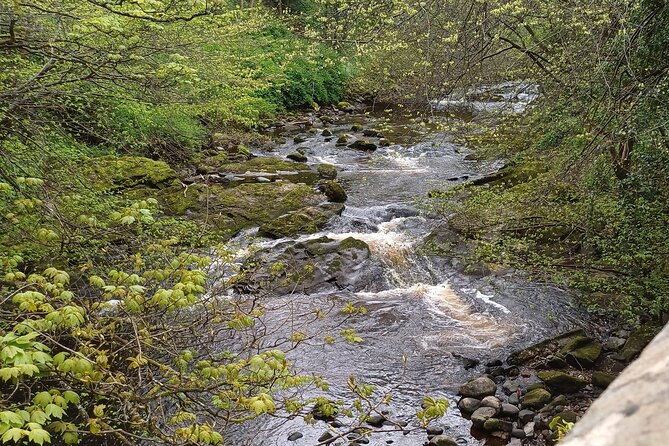
- Along the Water of Leith: Where Birds Put on a Show
- Dean Village: The Quiet Break That Makes the Walk Feel Like Two Trips
- Water of Leith Visitor Centre and Cafe: A Smart Pause for Learning
- Union Canal Towpath to Glasgow’s Story: Waterways as a Timeline
- Why Binoculars, Whisky Tastings, and Bird Counts Actually Change the Trip
- Price and Value: What $61.10 Really Covers
- Who Should Book This Walk (and Who Might Skip It)
- Make the Most of It: Simple Prep That Helps a Lot
- Should You Book the Walking Wildlife History Tour in Edinburgh?
- FAQ
- How long is the Walking Wildlife History Tour in Edinburgh?
- Where do I meet for the tour?
- Is the tour offered in English?
- How many people are in a group?
- Do I need to pay entry fees at the stops?
- Can I cancel for a full refund?
What You’ll Notice Right Away
- Small group size (up to 8 people) means you get room to look, ask questions, and pause for sightings
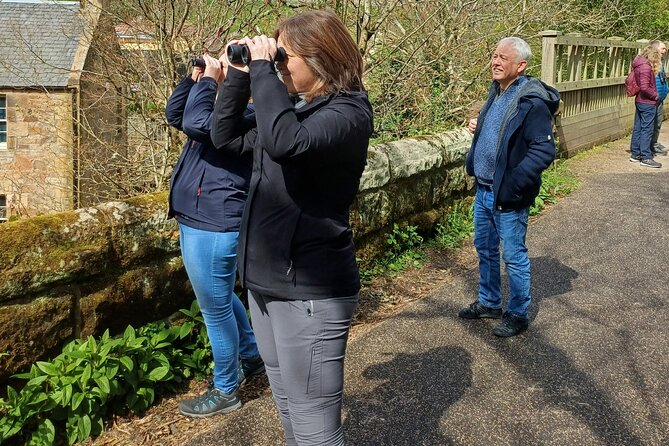
- Binoculars provided so you can spot birds properly without scrambling for gear
- Colinton Station Tunnel mural turns a quick stop into a story about Scotland’s changing eras
- Water of Leith Visitor Centre and Cafe stop gives you a breather plus learning time
- Union Canal towpath walk connects Edinburgh to the longer Glasgow story of trade and travel
- Guide extras like whisky tasting and bus-fare help can make the whole thing feel more personal
A handful of other Edinburgh outings that caught our eye
- Edinburgh: Harry Potter Magical Guided Walking Tour★ 4.8 · 11,944 reviews
- Edinburgh Castle: Guided Walking Tour with Entry Ticket★ 4.7 · 11,699 reviews
- Underground Vaults Walking Tour in Edinburgh Old Town★ 4.5 · 8,506 reviews
- Edinburgh Castle: Guided Walking Tour with Entry Ticket★ 5.0 · 5,540 reviews
A Wildlife and Water Walk You Can Do at a Relaxed Pace
This tour is built around an easy going walking style, aimed at getting you outside to watch wildlife while you learn how Edinburgh’s waterways shaped daily life. The walk lasts about 3 to 5 hours, so it works well as a main activity for a half day when you want something more hands-on than sightseeing buses and quick photo stops.
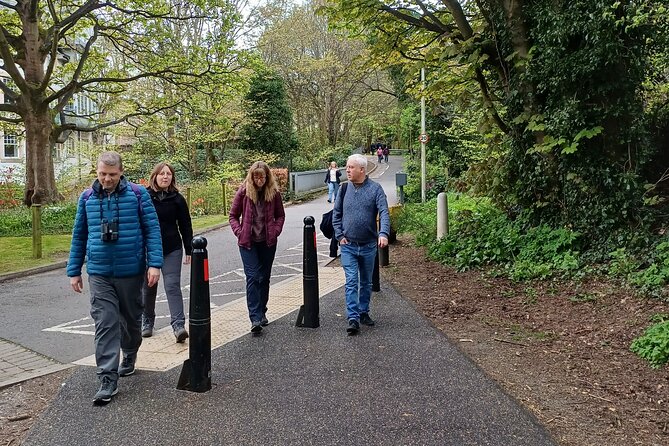
The route is designed to be manageable for most people. It’s mostly flat, and the guide’s style is to slow down when there’s something to see. That matters more than it sounds. When birds are around, you don’t want to be trying to keep up or rush your eyes. You want time to scan, stop, and confirm what you’re looking at.
Logistically, you meet at 11 Coates Cres, Edinburgh EH3 7AT, UK. The activity ends in a different location, so don’t plan a tight connection right after the tour. It runs in English, and you get a mobile ticket. Service animals are allowed, which is a big plus if you travel with a helper animal.
Colinton Station and Tunnel Mural: A Quick Stop With Serious Atmosphere
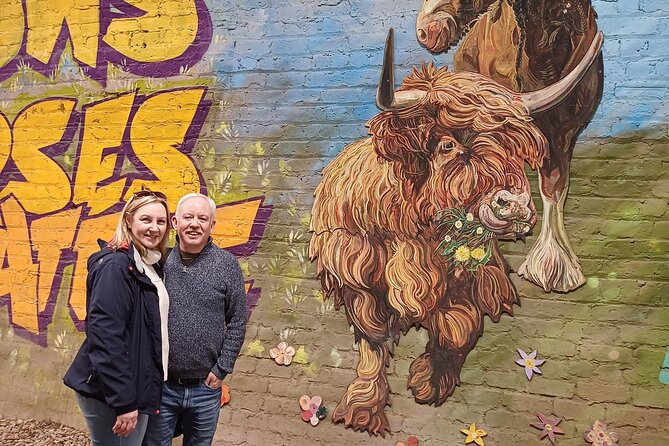
The first segment starts at Colinton Station & Tunnel, and the headliner here is the mural. You spend time looking at artwork that covers Scotland’s broader story—industrial, social, artistic, and literary movements. It’s the kind of stop that works even if you’re not a museum person, because it’s outdoors and you’re already walking the neighborhood at human speed.
Why I like this approach: you’re not dropping into a single “big landmark.” Instead, you’re training your attention. The mural encourages you to look closely at surfaces, symbols, and themes, which makes the later wildlife watching feel more connected. You’re basically tuning your senses before the birds start stealing the show.
The stop is brief—about 10 minutes—and the scheduled admission is shown as free. That keeps the tour from turning into a ticket-and-queue situation before you’ve even gotten warmed up.
Along the Water of Leith: Where Birds Put on a Show
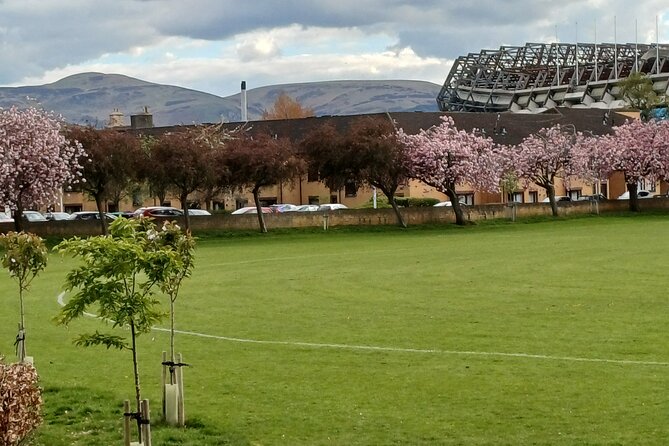
After the mural, you head along the Water of Leith. Part of the route includes a look toward the outside of a stadium as you move near the river corridor. The exact sight line is less important than the bigger idea: rivers in cities act like wildlife highways. They give birds water, insects, and the kind of sheltered edges birds love.
This is where the guide’s bird-spotting skill becomes practical. The best bird watching doesn’t just happen because you’re in the right place—it happens because someone helps you notice patterns: movement in reeds, the angle of a branch, the behavior of birds near water. On one run, people identified 21 different types of birds along the journey, which tells you the walking route has real potential when you slow down and pay attention.
You’ll also get binoculars as part of the experience, which is a comfort boost. If you don’t own your own pair, or if yours aren’t great, you’re still set up to actually see details instead of guessing from a distance. And if you do have binoculars, you can still use the ones provided so you’re not juggling gear.
Dean Village: The Quiet Break That Makes the Walk Feel Like Two Trips
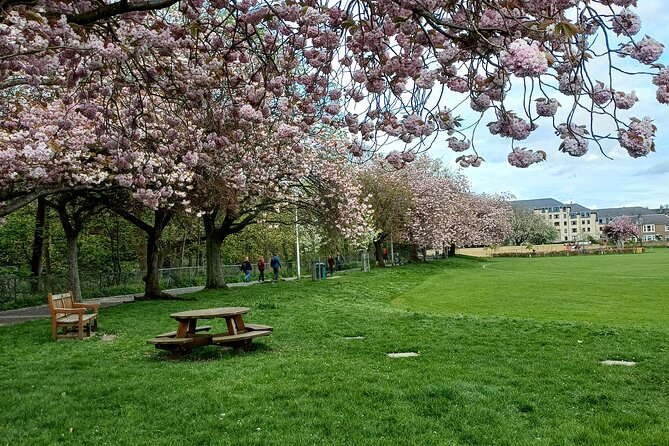
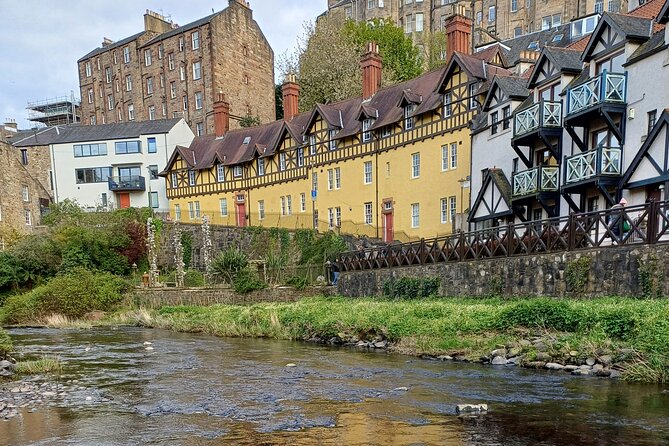
Next comes Dean Village, and this stop is more than a waypoint. You take in the atmosphere right at the start of the area, which sets a calm tone after the movement of the river path. Dean Village is one of those Edinburgh corners where the buildings and water feel close together, and that closeness makes bird watching more realistic—more perching spots, more cover, more chances to spot something small without walking miles.
The time here is about 10 minutes, with scheduled admission shown as free. Don’t think of it as rushing through a scenic spot. The guide uses short stops like this to reset your eyes. You look, listen, and then move on while the information from earlier is still fresh.
If you’re hoping for a walk that mixes nature with real local identity, Dean Village does that job well. It also gives your group a visual break from straight towpaths and river edges, which keeps the whole day from feeling monotonous.
A handful of other Edinburgh outings that caught our eye
Water of Leith Visitor Centre and Cafe: A Smart Pause for Learning
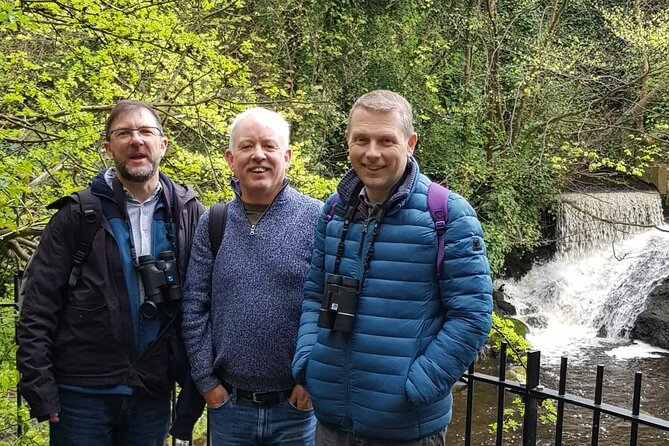
Then you land at the Water of Leith Visitor Centre and Cafe, with around 45 minutes for this part. This is the practical mid-walk reset. You get a chance to relax and use the time to learn about the waterway’s heritage—how it connects to Edinburgh’s development and why this corridor matters beyond just scenery.
I like having an actual pause like this in a wildlife-focused tour. Wildlife watching can be tiring, even when the walking is easy. You’re scanning, standing still, and focusing your eyes. A longer stop at a visitor centre lets you refuel, regroup, and come back to the towpath with better attention instead of thinning patience.
You’ll also get a change of pace: indoor or semi-indoor time, plus a cafe option. The scheduled admission for this stop is shown as free, so you’re not paying to enter the learning portion.
Union Canal Towpath to Glasgow’s Story: Waterways as a Timeline
After the visitor centre, the walk continues along the Union Canal towpath, linking Edinburgh to Glasgow. This is one of the most interesting parts for history-minded people because the canal wasn’t built for sightseeing—it was built for movement of goods and people across distance.
The towpath format matters. It gives you a steady route with good viewing opportunities. You’re not constantly turning corners or crossing complicated street junctions. You’re walking in a corridor where you can keep your attention forward and still glance down for movement in vegetation.
This is also where the wildlife aspect often clicks for people. Canals and river edges can feel similar in pictures, but on the ground you notice differences: different edges, different plants, different perching habits. The guide can help you read those small changes, which is part of why this is more than just a scenic stroll.
Why Binoculars, Whisky Tastings, and Bird Counts Actually Change the Trip
This tour earns its high praise because it doesn’t treat bird watching like a casual extra. It supports it.
Binoculars are provided, and they’re not just for show. They help you see real detail—body shape, movement, and in some cases distinguishing features that you’d miss with the naked eye. That’s how bird spotting becomes a skill you can use again at home.
Then there’s the guide’s thoughtful add-ons. In at least one experience, the guide provided whisky tasting with different whiskies as part of the day. That’s not essential to the walking, but it turns downtime into something memorable and local. It also signals the guide isn’t running a rigid script. The experience feels like it has room for the human side of travel.
Another standout: the guide is described as easy to communicate with. If you need to adjust your timing, you can let the guide know ahead of time or decide during the trip. That flexibility helps when your legs get tired, your group wants a longer stop, or you have a later dinner plan.
There’s even practical support like bringing coins to help with local bus fare, which is the sort of small thing that can save you from scrambling at the end.
Finally, the bird results are impressive. Seeing and identifying 21 different bird types on a single walk suggests the route and guiding method are working together. You’re not just walking to hope. You’re walking with a plan to notice.
Price and Value: What $61.10 Really Covers
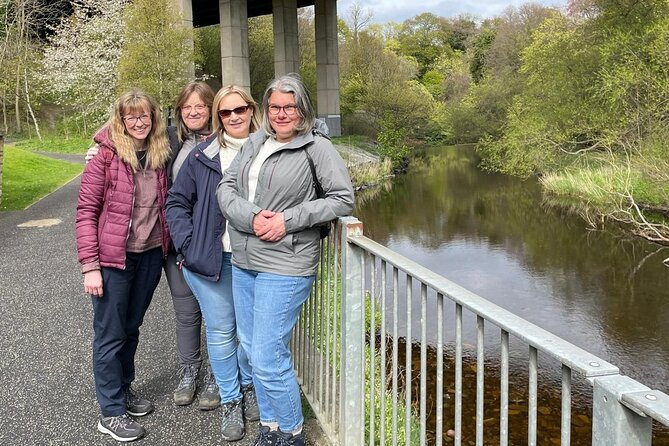
At $61.10 per person, this tour sits in a reasonable zone for a guided half-day walking experience—especially one focused on interpretation rather than just pointing out landmarks. Here’s what you’re likely paying for beyond the basic guide service:
- Small group format (up to 8 people), which tends to improve the quality of questions and attention
- Provided binoculars, which saves you money and makes the activity accessible
- Several structured stops with scheduled time at the mural, Dean Village, and the visitor centre
- A learning component about the Water of Leith and the Union Canal corridor
- In some versions or runs, whisky tasting is added by the guide
So the value isn’t only the price. It’s the mix: nature viewing plus local context plus pacing that doesn’t bully you into moving faster than you want.
If you’re the kind of traveler who enjoys slow observation—birds, water, small details—this feels like a fair spend. If you only care about the biggest photo icons and you hate waiting at stops, you may feel like the time could be shorter.
Who Should Book This Walk (and Who Might Skip It)
I think this is a strong match if you like:
- Bird watching, even as a beginner
- Edinburgh neighborhoods beyond the central tourist circuit
- Waterway stories, like how rivers and canals shape a city
- Guided walks with frequent pauses so you can actually see what’s happening
It’s also great for people who prefer comfort. The walking is described as mostly flat and the guide takes the pace seriously, with frequent bird spotting pauses.
You might want to consider a different kind of tour if you’re chasing only famous monuments and you don’t want a wildlife-focused itinerary. This is more about attention and quiet than about sprinting from one landmark to the next.
Weather can also matter here. It’s an outdoor walk, so bring layers and a rain plan. If you’re the type who hates being outside even briefly, you may find the experience less enjoyable.
Make the Most of It: Simple Prep That Helps a Lot
To enjoy this, I’d plan for a calm, outdoor afternoon. Wear shoes you’re comfortable walking in for a few hours, even if the route is mostly easy. Bring a light layer because near-water areas can feel cooler or damp.
If you have your own binoculars, you can bring them, but the experience provides binoculars anyway. That’s especially helpful if you’re trying bird watching for the first time.
Also, keep your schedule flexible. Since the tour ends in a different location and the duration can land closer to 3 or closer to 5 hours, it helps to avoid an immediately timed reservation afterward.
If you’re traveling with a service animal, you can bring one; that’s supported. And since the tour is in English and designed for most people to participate, you shouldn’t need special prep beyond being ready to walk and stop often.
Should You Book the Walking Wildlife History Tour in Edinburgh?
I’d book this if you want something that feels local and observant. The combination of Water of Leith, Dean Village, and the Union Canal towpath gives you real variety in scenery, while the guide’s bird-spotting focus turns ordinary views into actual wildlife moments. Add in provided binoculars, flexible pacing, and thoughtful extras like whisky tasting (on at least some runs), and the day feels more rounded than a simple walk.
Skip it only if you want heavy sightseeing pressure—this is a slow-and-watch experience. If you like quiet, water, and learning by looking, this one deserves your time.
FAQ
How long is the Walking Wildlife History Tour in Edinburgh?
The tour is approximately 3 to 5 hours.
Where do I meet for the tour?
The start location is 11 Coates Cres, Edinburgh EH3 7AT, UK.
Is the tour offered in English?
Yes, the tour is offered in English.
How many people are in a group?
The tour has a maximum of 8 travelers.
Do I need to pay entry fees at the stops?
The scheduled stops list admission ticket free for each of the main points on the walk.
Can I cancel for a full refund?
Yes. You can cancel for a full refund with free cancellation up to 24 hours in advance.
More Walking Tours in Edinburgh
- Edinburgh: Harry Potter Magical Guided Walking Tour★ 4.8 · 11,944 reviews
- Edinburgh Castle: Guided Walking Tour with Entry Ticket★ 4.7 · 11,699 reviews
- Underground Vaults Walking Tour in Edinburgh Old Town★ 4.5 · 8,506 reviews
- Edinburgh Castle: Guided Walking Tour with Entry Ticket★ 5.0 · 5,540 reviews
- Edinburgh Castle Guided Walking Tour in English★ 5.0 · 5,214 reviews
More Tours in Edinburgh
- Edinburgh: Loch Ness, Glencoe & the Scottish Highlands Tour★ 4.6 · 17,446 reviews
- Edinburgh: Harry Potter Magical Guided Walking Tour★ 4.8 · 11,944 reviews
- Edinburgh: Underground Vaults Tour★ 4.6 · 11,758 reviews
- Edinburgh Castle: Guided Walking Tour with Entry Ticket★ 4.7 · 11,699 reviews
- From Edinburgh: Loch Ness, Glencoe & Scottish Highlands Tour★ 4.7 · 11,381 reviews
More Tour Reviews in Edinburgh
- Edinburgh: Loch Ness, Glencoe & the Scottish Highlands Tour★ 4.6 · 17,446 reviews
- Edinburgh: Harry Potter Magical Guided Walking Tour★ 4.8 · 11,944 reviews
- Edinburgh: Underground Vaults Tour★ 4.6 · 11,758 reviews
- Edinburgh Castle: Guided Walking Tour with Entry Ticket★ 4.7 · 11,699 reviews
- From Edinburgh: Loch Ness, Glencoe & Scottish Highlands Tour★ 4.7 · 11,381 reviews
Fresh off the cobbles: newer Edinburgh tours we have written up




Historical Tours, compared.
 ★ 4.8Edinburgh Castle Guided History Tour with TicketsFrom $499,933 reviews
 ★ 4.9Whisky Tasting with History and StorytellingFrom $242,451 reviews
 ★ 4.8Old Town History and Tales Walking TourFrom $242,361 reviews
 ★ 5.0Old Town Walking Tour History and Tales in EdinburghFrom $242,168 reviews
 ★ 4.5Old Town and Underground Historical TourFrom $271,802 reviews
 ★ 5.0Old Town Historical and Underground TourFrom $271,574 reviews
 ★ 4.5Multi-Sensory Small-Group Historic Vaults Tour in EdinburghFrom $371,384 reviews
 ★ 4.8Witches & Haunted History Walking TourFrom $241,290 reviews
Browse the lists this tour appears in