
Reviewed · TOURS
From Edinburgh: Scottish Castles Tour in Spanish
One day, two castles, and a lot of Scottish sea air. This Spanish-guided trip turns Edinburgh into an East Coast history and views day, with Dunnottar Castle on dramatic cliffs and Glamis Castle tied to Macbeth and the Queen Mother. The main thing to watch is language: this runs in Spanish (no built-in English comfort).
What I like most is the variety of stops. You get castle time, big engineering photo ops near the bridges, and a Dundee finish that nods to maritime history. A possible drawback: the castle entrances are not included, so you’ll need to budget extra on top of the tour price.
In This Review
- Key Points You’ll Actually Feel
- Spanish Castles From Edinburgh: The Feel of the Day
- How the Tour Runs (Edinburgh to East Coast) Without Getting Lost
- Route until December 14, 2025: Dunnottar first, then Glamis and Dundee
- Route from December 15, 2025 to March 22, 2026: Three Bridges, Aberdour, then Dunnottar
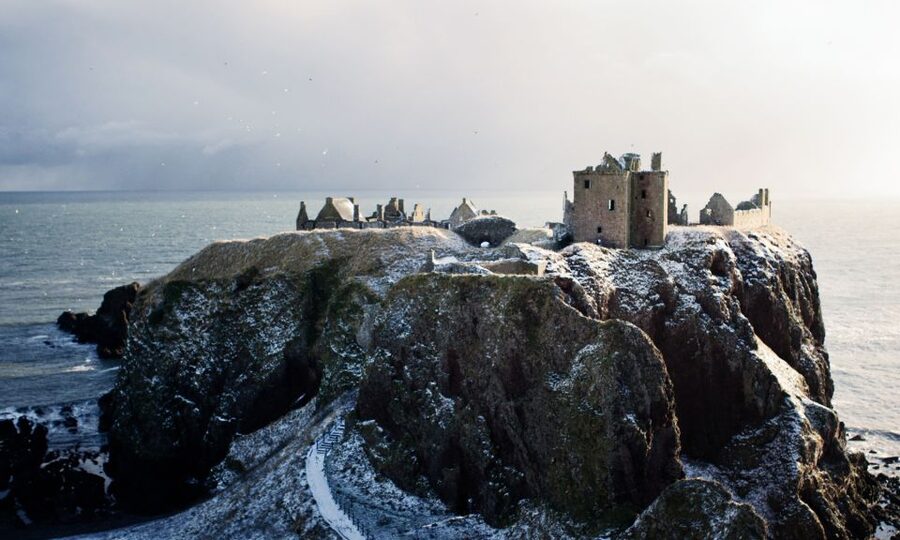
- Dunnottar Castle on North Sea Cliffs: The Reason People Book
- Three Bridges Viewpoint and Queensferry Engineering Views (Winter Route)
- Glamis Castle: Macbeth, the Queen Mother, and a Proper Guided Visit
- Stonehaven Break: Lunch on Your Own and a Real Coastal Pause
- Dundee for Views and Maritime Stories (Before or After the Castles)
- On the main route: Tay River views and RRS Discovery
- On the winter route: V&A Dundee and HMS Discovery
- Aberdour Castle and Arbroath Abbey: Scotland’s Independence Thread
- Aberdour Castle (winter route)
- Arbroath Abbey (included depending on dates)
- Price and Value: What $70 Gets You (and What It Doesn’t)
- Comfort, Headsets, and Weather: How to Make the Long Day Feel Easier
- Who Should Book This Spanish Castles Tour?
- Should You Book It? A Straight Call
- FAQ
- Is the tour guided in Spanish the whole time?
- How long is the Scottish castles tour from Edinburgh?
- Where do I meet the tour in Edinburgh?
- Where does the tour finish?
- Are entrance tickets included for the castles?
- Is food included in the price?
- What if the weather stops access to Dunnottar Castle?
- Is this tour suitable for wheelchair users or mobility impairments?
Key Points You’ll Actually Feel
- Spanish guide on the mic: you’ll hear history and directions in Spanish from start to finish.
- Dunnottar Castle is the headline: cliff-top views over the North Sea make it the emotional center of the day.
- Two possible routes: your travel dates change the order, and winter swaps in the Three Bridges viewpoint and Aberdour.
- Engineering photo moments at Queensferry: the Forth Bridge, Forth Road Bridge, and Queensferry Crossing viewpoint is made for pictures.
- Glamis Castle gets a guided tour: you’re not just walking around a castle in silence.
- Audio equipment is part of the experience: if you’re sensitive to headsets, plan for it during a long day.
Still mapping out your days in Edinburgh? These are the tours our team rated highest.
- Edinburgh: Loch Ness, Glencoe & the Scottish Highlands Tour★ 4.6 · 17,446 reviews
- Edinburgh: Harry Potter Magical Guided Walking Tour★ 4.8 · 11,944 reviews
- Edinburgh: Underground Vaults Tour★ 4.6 · 11,758 reviews
- Edinburgh Castle: Guided Walking Tour with Entry Ticket★ 4.7 · 11,699 reviews
Spanish Castles From Edinburgh: The Feel of the Day
This is built for people who want Scotland’s East Coast without planning transport or stitching together multiple tickets. You start at 190 High Street on the Royal Mile, then the day follows a simple rhythm: bus time, one or two big stops, and guided context so the places make sense as you see them.
I like that it’s not only “castle, castle, castle.” You also get a design-and-maritime stop in Dundee, and you’ll pass through key coastal towns on the way. That matters because castles are easier to appreciate when you understand the region that shaped them.
One practical consideration: because it’s a full-day circuit, you’ll be moving most of the day by coach or minivan. If you get bored on long rides, this tour may feel like a lot of transit before you settle into each site.
How the Tour Runs (Edinburgh to East Coast) Without Getting Lost
You’re on the clock for about 10 hours, with transport and sightseeing tightly packed. The day starts from 190 High Street, then you travel by coach/minivan toward the coast. Your route changes depending on date range, but the overall order follows a similar story: sea cliffs and castles, then a cultural finish.
Route until December 14, 2025: Dunnottar first, then Glamis and Dundee
The flow goes like this in plain terms:
- Start from Edinburgh and cross toward the coast, passing through the Queensferry area (North and South).
- Stop in Dundee for Tay River views that put the Tay Bridge and the RRS Discovery in sight.
- Head to Dunnottar Castle, with photo time, time to visit, and a generous chunk of on-site freedom.
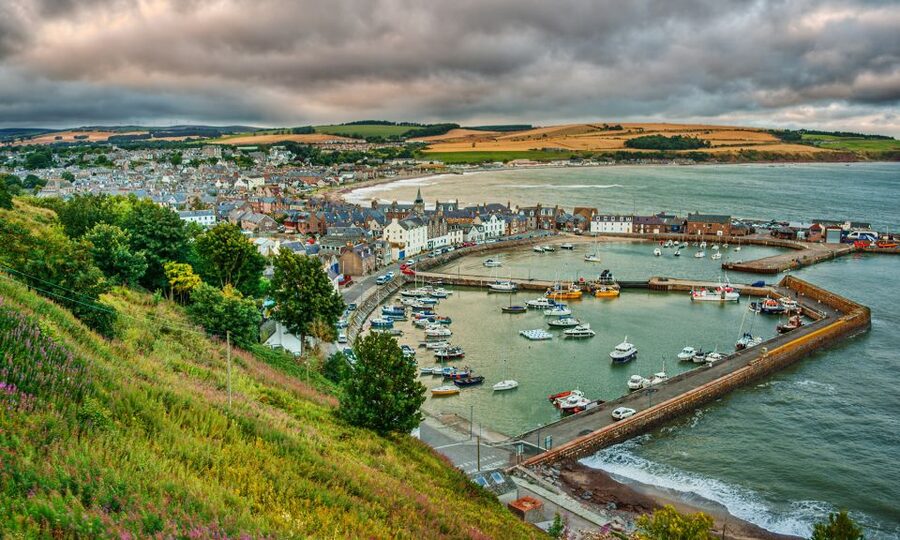
- Break in Stonehaven, a working harbor town with colorful houses and local cafés.
- Continue to Glamis Castle for a guided visit plus free time.
- Return to Edinburgh, with suggestions from your guide for what else to do once you’re back.
Route from December 15, 2025 to March 22, 2026: Three Bridges, Aberdour, then Dunnottar
Winter changes the sequence to emphasize viewpoints early:
- Travel east through the Fife region and along the North Sea coast.
- First stop is the Three Bridges Viewpoint, where you can photograph the Forth Bridge, Forth Road Bridge, and the Queensferry Crossing, plus views of North and South Queensferry.
- Visit Aberdour Castle, dating back to the 12th century, with medieval and Renaissance buildings in the same setting.
- Then go to Dunnottar Castle (important: entrance is not included).
- Take a Stonehaven break for lunch on your own and an easy seaside stroll.
- Finish in Dundee for a look at V&A Dundee and maritime legacy tied to HMS Discovery.
- Head back to Edinburgh.
If weather disrupts access, the tour builds in backup options. For example, if Dunnottar access isn’t possible, you’ll do a photo stop at a panoramic viewpoint and then pivot to visiting Stonehaven.
Dunnottar Castle on North Sea Cliffs: The Reason People Book
Dunnottar is perched above the North Sea, and the location does half the work for you. Even before you reach any buildings, the cliffs set the tone: this is a fortress made for defense and drama.
Why it hits hard on this tour:
- You’re visiting a site tied to the Wars of Independence in the 13th and 14th centuries, so the stories your Spanish guide tells have real stakes.
- The views feel like part of the history, not just decoration. When you look down at the coast from the heights, you get why controlling the shoreline mattered.
- The tour gives you 75 minutes for Dunnottar on the main route, including free time after the initial plan.
A fair trade-off to consider: Dunnottar is the biggest moment, so you’ll want to protect your energy. One comment in the feedback stream suggests some people wish they had more time there. That’s a common issue on day trips, especially when the site is visually rewarding from every angle—plan to use your time on the cliff views first, then settle into the interior details.
Also: castle entrance fees are not included, so you’ll want to bring money for tickets if you want to go inside the buildings rather than only using the exterior photo spots.
Three Bridges Viewpoint and Queensferry Engineering Views (Winter Route)

If you’re going on the winter schedule, the Three Bridges viewpoint becomes the “wow” opener. This is a photo stop built around engineering at scale: the Forth Bridge, the Forth Road Bridge, and the Queensferry Crossing all show up in the same sweep, with the villages of North and South Queensferry below.
Why this works on a tour like this:
- It gives you a strong visual anchor before you hit castles and abbeys.
- It makes the day feel purposeful even before you’re deep in historic sites.
- If weather is rough, it’s a good kind of stop—viewpoints are easier to adjust than indoor museum time.
Even on the non-winter route, you’ll still travel through the Queensferry area, since the driving route crosses the Forth River and passes nearby coastal towns. So expect your camera time to get used more than once.
Glamis Castle: Macbeth, the Queen Mother, and a Proper Guided Visit
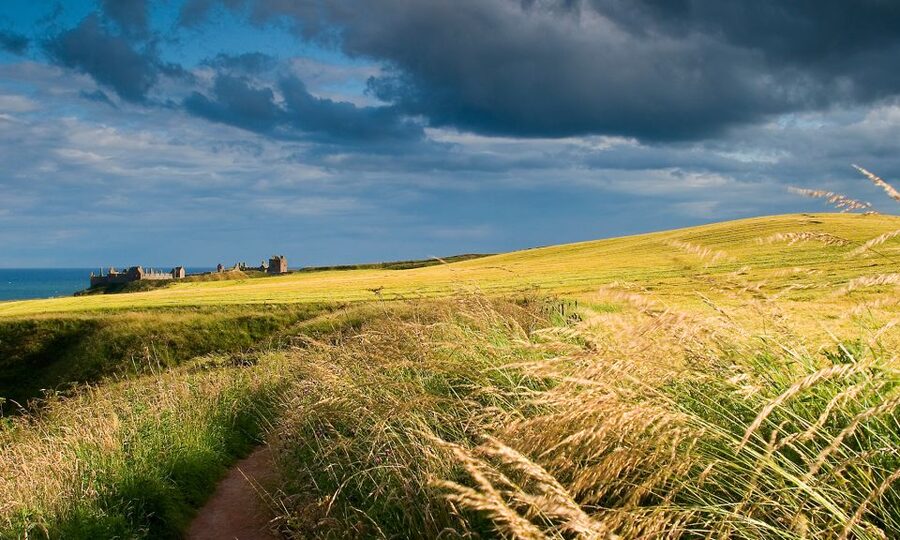
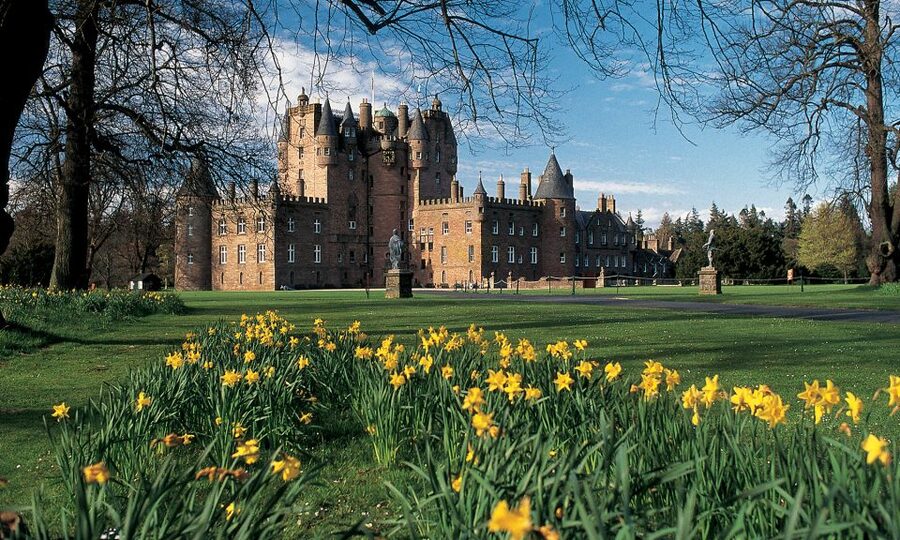
Glamis Castle is the stop that adds romance and pop-culture familiarity without losing historical footing. It’s known for connections to Macbeth and the Queen Mother, and the castle itself is described as a Victorian Gothic masterpiece with standout architecture and gardens.
On this tour, Glamis gets a guided tour plus time to explore on your own. That pairing is valuable:
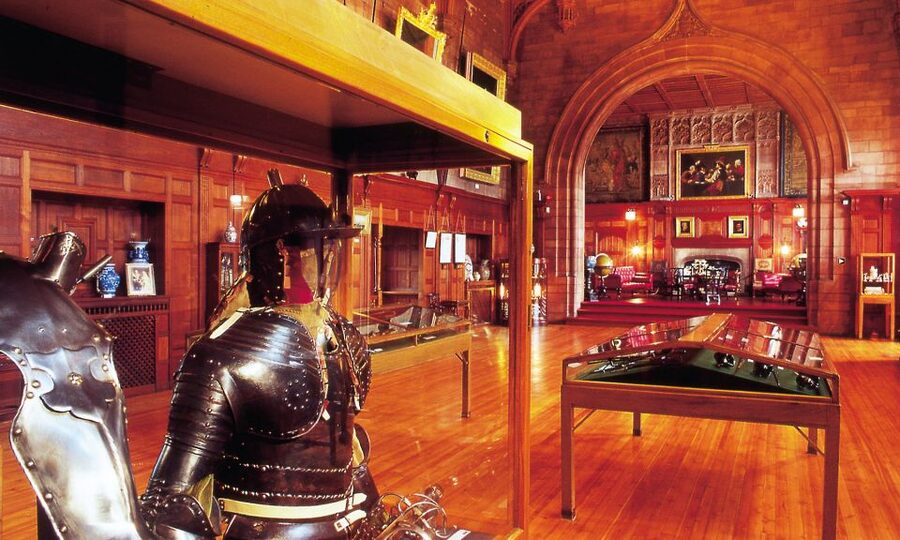
- The guided part helps you understand what you’re seeing, especially in older houses where rooms can blur together if you only have labels.
- The free time lets you slow down where your interest lands—gardens, rooms, or the story threads your guide highlighted.
The timing is also decent for a day trip: you’re allocated about two hours total, which usually means you can do the guided route without feeling like you’re sprinting.
Don’t forget: entrance fees aren’t included, so factor that into your budget. If you don’t pay the entrance cost, you’ll lose the best version of this stop—this is one where being inside really matters.
Stonehaven Break: Lunch on Your Own and a Real Coastal Pause

Between castles and bigger sites, Stonehaven functions like a pressure-release valve. The tour schedules a break with about one hour for free time on the main route, giving you room to stretch your legs and reset.
What makes Stonehaven practical and pleasant:
- It’s a seaside harbor town with colorful buildings.
- You’ll find local cafés where you can grab lunch at your own pace.
- It’s a calmer moment before the next chunk of history.
One upside of using a stop like this on a day tour: if the weather turns or the schedule tightens, you still get a chance to enjoy coastal life rather than only being stuck on transport. The tour’s weather plan also sometimes sends you to Stonehaven if Dunnottar access is limited.
Quick advice: since you’re moving between vehicles and sites, treat Stonehaven like your main “check your bag” moment. People can misplace items when the day is full of headset audio, getting on/off, and moving quickly.
Dundee for Views and Maritime Stories (Before or After the Castles)
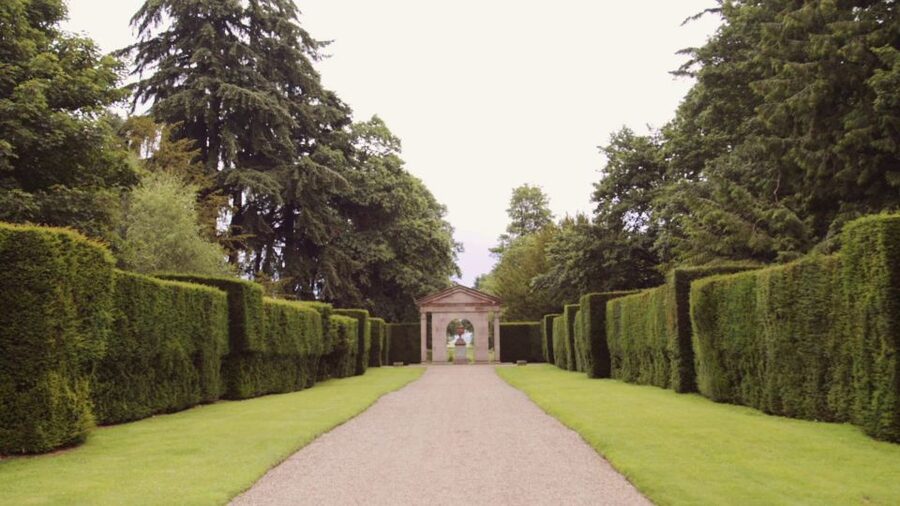
Dundee is where the trip shifts from castles to ports, technology, and design. The day uses Dundee in two different ways depending on your route.
On the main route: Tay River views and RRS Discovery
You stop in Dundee for about 30 minutes, focusing on panoramic views from the Tay River. You can see the Tay Bridge and the RRS Discovery, the ship associated with Captain Robert Falcon Scott’s Antarctic expedition.
That’s a smart pairing after castles because it connects Scotland’s story to exploration and engineering. It also gives you a photo break that feels different from cliff-top fortress shots.
On the winter route: V&A Dundee and HMS Discovery
In winter, Dundee comes at the end with more “culture stop” energy. You’ll admire V&A Dundee and learn about maritime legacy, including HMS Discovery.
Even with only 30 minutes allotted, V&A Dundee is the kind of place where you get the visual impact quickly—enough to make the day feel complete without eating your entire afternoon.
Aberdour Castle and Arbroath Abbey: Scotland’s Independence Thread
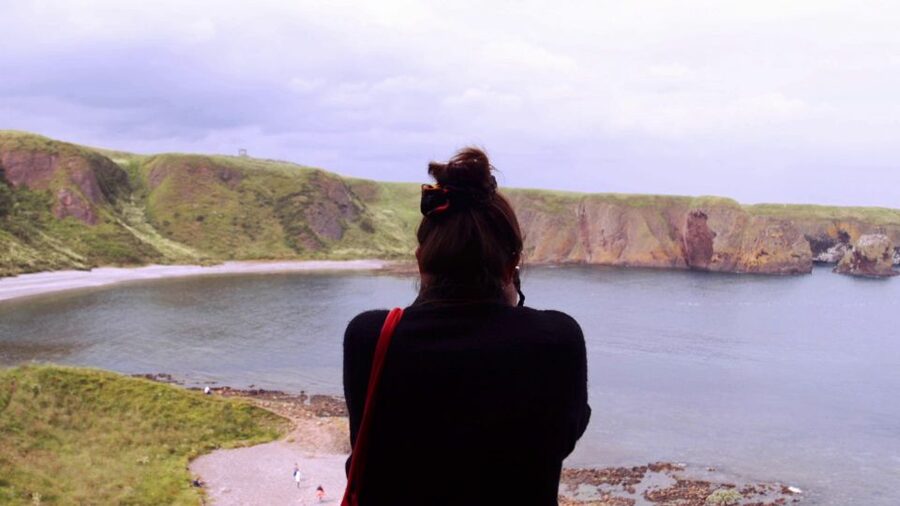
Not every date runs exactly the same sites in the same order, but the tour is designed to connect the dots between Scotland’s defensive past and the independence story tied to the 13th and 14th centuries.
Aberdour Castle (winter route)
Aberdour Castle is presented as one of Scotland’s oldest fortresses, dating back to the 12th century. What makes it distinct is the mix of medieval and Renaissance structures, plus its strategic historical role.
That’s a good contrast to Dunnottar. Dunnottar is dramatic and cliff-bound; Aberdour is a reminder that power also lived in the everyday fortifications along the coast.
Arbroath Abbey (included depending on dates)
The experience also highlights Arbroath Abbey as an important location linked to Scottish independence. The key value here is context: you’re not just seeing buildings, you’re seeing sites connected to the push for self-rule.
Since the exact scheduling can vary by date, treat Arbroath Abbey as a bonus if it appears on your version. It’s the kind of stop that makes the other castles feel less random and more like pieces of the same long story.
Price and Value: What $70 Gets You (and What It Doesn’t)
At $70 per person, this tour can be good value if you want:
- Transport by minivan or coach
- A professional Spanish guide
- A full-day route that stacks major sites on the East Coast without you doing logistics
What’s not included is just as important. You’ll pay separately for:
- Food and drinks
- Entrance fees at sites (including Dunnottar, and also Glamis where you’ll want to go in)
So the true cost depends on which entrances you choose and how you handle lunches. Still, the structure is efficient. You’re paying for guided time plus transit to multiple stops in one day, which is hard to replicate cheaply on your own once you account for transport and timing.
Comfort, Headsets, and Weather: How to Make the Long Day Feel Easier
You’re out for about 10 hours, on and off vehicles, and walking around sites that aren’t designed for comfort-first visits. The tour specifically advises comfortable shoes, and that’s not a throwaway line.
Also, this experience uses live guided audio through headsets. That can be great because you get clear narration without needing to follow a tight cluster. But if you’re the type who gets a headache from headsets or long audio sessions, you might feel it by the end of the day. My practical suggestion is to take micro-breaks whenever free time starts—step away for a minute, loosen your stance, and reset your ears.
Finally, weather can affect access to Dunnottar. The tour notes backup photo options and alternate sightseeing if conditions prevent entry. That’s one reason this itinerary stays attractive even when forecasts look gray: the day isn’t built entirely on one indoor plan.
Who Should Book This Spanish Castles Tour?
This is a strong fit if you:
- Want a Spanish-language guide and you’re comfortable following history in Spanish for a full day
- Care most about Dunnottar Castle and also want Glamis Castle on the same outing
- Prefer organized transport over trying to manage trains and driving across the East Coast yourself
- Like day trips that include viewpoint stops and not just ticketed attractions
It’s a weaker fit if you:
- Need English-only narration (or you get lost when guided audio is in Spanish)
- Have mobility constraints, since it’s noted as not suitable for people with mobility impairments or wheelchair users
Should You Book It? A Straight Call
Book it if Dunnottar and Glamis are your top priorities and you’re happy paying separate entrance fees. The cliff views at Dunnottar and the guided structure make this a satisfying day even when you’re not building your own itinerary.
Hold off if you need English narration, because the tour is clearly Spanish throughout. Also, if you’re sensitive to headsets or long audio days, consider whether a 10-hour guided session is your kind of travel.
And if you go, do two things: bring comfortable shoes, and don’t treat Dunnottar like a quick stop. It’s the emotional center of the day, and you’ll get the most out of it when you slow down enough to look out at the North Sea.
FAQ
Is the tour guided in Spanish the whole time?
Yes. The tour runs with a live tour guide in Spanish, so plan to understand and follow Spanish narration during driving and at stops.
How long is the Scottish castles tour from Edinburgh?
It’s a 10-hour experience.
Where do I meet the tour in Edinburgh?
You meet at 190 High Street, Royal Mile, Edinburgh (EH1 1RW).
Where does the tour finish?
The tour finishes at 76 Hanover St, Edinburgh EH2 1EL.
Are entrance tickets included for the castles?
No. Entrance fees are not included, so you’ll need to pay separately for castle entry where applicable.
Is food included in the price?
No. Food and drinks are not included, and you’ll have free time breaks where you can buy lunch on your own.
What if the weather stops access to Dunnottar Castle?
The tour notes weather contingencies. If access is prevented, you’ll have a photo stop at a panoramic viewpoint and the itinerary may include a visit to Stonehaven instead.
Is this tour suitable for wheelchair users or mobility impairments?
No. It is not suitable for people with mobility impairments or wheelchair users.
More Tours in Edinburgh
- Edinburgh: Loch Ness, Glencoe & the Scottish Highlands Tour★ 4.6 · 17,446 reviews
- Edinburgh: Harry Potter Magical Guided Walking Tour★ 4.8 · 11,944 reviews
- Edinburgh: Underground Vaults Tour★ 4.6 · 11,758 reviews
- Edinburgh Castle: Guided Walking Tour with Entry Ticket★ 4.7 · 11,699 reviews
- From Edinburgh: Loch Ness, Glencoe & Scottish Highlands Tour★ 4.7 · 11,381 reviews
More Tour Reviews in Edinburgh
- Edinburgh: Loch Ness, Glencoe & the Scottish Highlands Tour★ 4.6 · 17,446 reviews
- Edinburgh: Harry Potter Magical Guided Walking Tour★ 4.8 · 11,944 reviews
- Edinburgh: Underground Vaults Tour★ 4.6 · 11,758 reviews
- Edinburgh Castle: Guided Walking Tour with Entry Ticket★ 4.7 · 11,699 reviews
- From Edinburgh: Loch Ness, Glencoe & Scottish Highlands Tour★ 4.7 · 11,381 reviews
Fresh off the cobbles: newer Edinburgh tours we have written up




Tours, compared.
 ★ 4.6Loch Ness, Glencoe & the Scottish Highlands TourFrom $6217,446 reviews
 ★ 4.8Harry Potter Magical Guided Walking TourFrom $1911,944 reviews
 ★ 4.6Underground Vaults TourFrom $3211,758 reviews
 ★ 4.7Edinburgh Castle: Guided Walking Tour with Entry TicketFrom $4911,699 reviews
 ★ 4.7Loch Ness, Glencoe & Scottish Highlands TourFrom $6111,381 reviews
 ★ 4.8Edinburgh Castle Guided History Tour with TicketsFrom $499,933 reviews
 ★ 4.5The World Famous Underground Ghost TourFrom $269,272 reviews
 ★ 4.5Underground Vaults Walking Tour in Edinburgh Old TownFrom $338,506 reviews