

Reviewed · EDINBURGH OLD TOWN WALKS
Edinburgh – Old Town Stories
Edinburgh comes with stories you can feel. Old Town Stories turns the Royal Mile and nearby closes into a guided walk where you learn how Scotland and Edinburgh got shaped. I love the story-first approach, where landmarks matter because of the people connected to them.
I also like the value here: the stops are set up with ticket-free access, including St Giles’ Cathedral, so you spend your time looking instead of paying. One consideration: the tour is short (about two hours) and entirely on foot, so wear comfy shoes and expect a steady pace.
If you get a guide like Edgar, James, Robert, or David, you’ll likely see why this one gets such strong marks for keeping groups moving and questions flowing. With a maximum of 30 people and a central starting point at West Parliament Square, it’s an easy way to get your bearings fast without feeling lost in the crowds.
In This Review
- Key highlights worth centering in your plan
- Old Town Stories: what kind of tour this really is
- West Parliament Square to Greyfriars: the route logic
- St Giles’ Cathedral: John Knox and the Reformation, in context
- Mercat Cross and the Great Fire of 1824
- The Royal Mile walk: old buildings, statues, and quick wayfinding
- Writers’ Museum stop: Scotland through its authors
- The city’s imposing building: why it matters
- Grassmarket: gallows history and the Covenanters memorial
- Greyfriars: prison gates, body-snatching context, and Greyfriars Bobby
- Guides who tell Old Town like a story: pacing and personality
- Price and value: why about $20.72 can work in your favor
- Best for first-timers, story lovers, and time-crunched days
- Should you book Old Town Stories?
- FAQ
- How long is the Old Town Stories tour?
- Where does the tour start and where does it end?
- What language is the tour offered in?
- Is there a maximum group size?
- Do I need to buy tickets for the stops?
- Is the tour good for people using public transportation?
- What happens if the weather is poor?
Key highlights worth centering in your plan
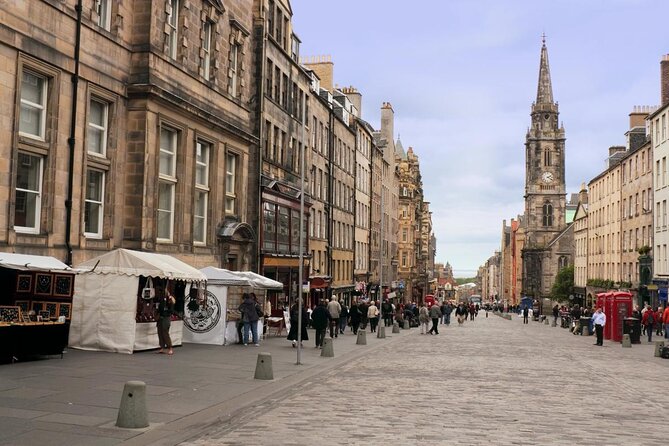
- St Giles’ Cathedral, John Knox, and the Reformation explained right where it happened
- Mercat Cross and the impact of the Great Fire of 1824
- Royal Mile walk-by storytelling, including older buildings and nearby statues
- Writers’ Museum stop for Scottish literary context in an older-standing building
- Grassmarket and Covenanters history, including a memorial
- Greyfriars gates, body-snatching context, and Greyfriars Bobby
Keep exploring the Old Town on foot with these guided wanders.
- Underground Vaults Walking Tour in Edinburgh Old Town★ 4.5 · 8,506 reviews
- Edinburgh: Old Town History and Tales Walking Tour★ 4.8 · 2,361 reviews
- Old Town Walking Tour History and Tales in Edinburgh★ 5.0 · 2,168 reviews
- Edinburgh: Old Town and Underground Historical Tour★ 4.5 · 1,802 reviews
Old Town Stories: what kind of tour this really is
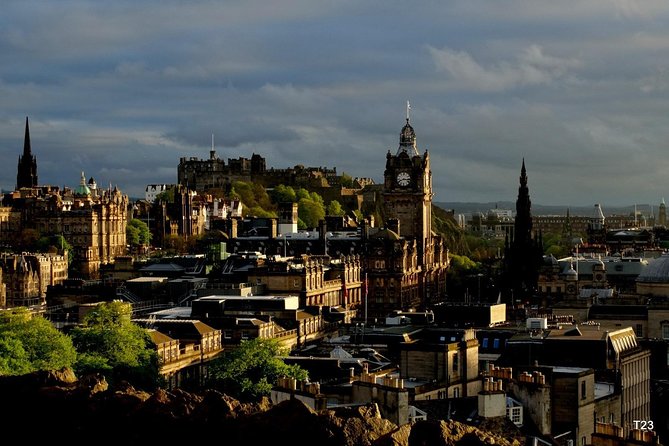
This is not a stop-and-start checklist tour. It’s a focused walk where your guide connects places to events, beliefs, and characters, so you understand why the city looks the way it does. You’ll move through Old Town Edinburgh on foot, with each stop designed to build the next chapter of the story.
You’ll also get a good “first impression” circuit. In two hours, you see a chain of major Old Town touchpoints—cathedral, cross, museum stop, Grassmarket, and finally Greyfriars Kirkyard—without needing to plan anything beyond showing up. If you like history that feels human (not just dates), this style usually clicks fast.
And because the experience is offered in English with a small maximum group size, it tends to work well for people who want to ask questions while still keeping the walk flowing. It’s a solid choice if you want structure, but not a rigid museum day.
West Parliament Square to Greyfriars: the route logic
The tour starts at West Parliament Square and ends at Greyfriars Kirkyard Cemetery. That matters because Old Town is steep, twisty, and sometimes confusing—so having a clear start and end point helps you avoid doubling back.
You’re also positioned for convenience. West Parliament Square sits right in the Old Town flow, close to public transport, so it’s easier to reach before the tour than it is for sights further out. Ending at Greyfriars Kirkyard is handy, too, because it keeps you in the same general historic pocket—perfect if you want to continue exploring afterward on your own.
Expect mostly streetscapes and short pauses. The timing is built around brief stops—often around 10 to 15 minutes—so the guide can cover the big idea without dragging you away from the street scene too long. It’s a good format for travelers who don’t want their legs to quit before their brain does.
St Giles’ Cathedral: John Knox and the Reformation, in context
Your first major stop is St Giles’ Cathedral, where the guide sets the stage for Scotland’s religious turning points. You’re not just looking at a famous building from the outside—you’re hearing how figures like John Knox and the Reformation changed the course of the country, and how bigger conflicts in the region may have sparked trouble.
What I like about this kind of opening stop is how it gives you a lens for everything else. When you understand why power, belief, and public life tangled together here, the later Old Town stops feel less random. You also get a strong visual anchor early, because St Giles is one of the most recognizable landmarks in Edinburgh.
Another practical plus: the stop is ticket-free in the sense that you don’t have to pay an admission cost as part of this experience. That helps keep the tour feeling like a smooth, low-friction intro to the city instead of a series of micro-payments.
Mercat Cross and the Great Fire of 1824
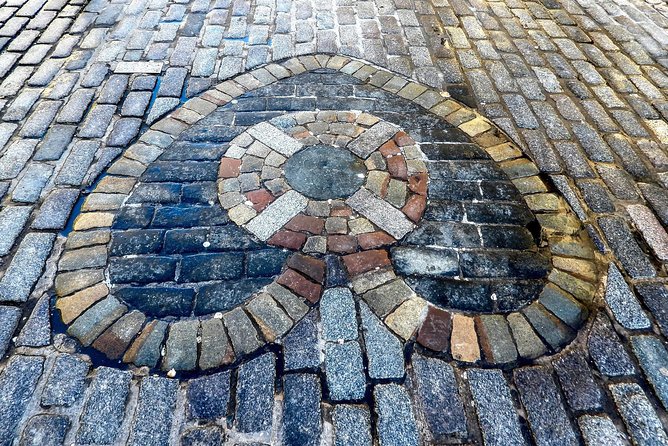
Next up is Mercat Cross, a spot that helps explain how Edinburgh’s city life worked at street level. The guide focuses on architecture and the city’s layout, then ties it to a real turning point: the Great Fire of 1824.
This is one of those moments where the story changes how you read the street. After you hear about a major fire and the city’s response, you start noticing rebuilding, design choices, and what cities do to recover from disaster. Even if you’re not a history nerd, you’ll usually find this part memorable because it’s tied to cause and effect.
Again, you’re not paying for entry here as part of the experience, and the stop is brief—about 10 minutes—so it fits cleanly into the overall flow. If you’re short on time in Edinburgh, this is a great kind of “quick but meaningful” stop.




The Royal Mile walk: old buildings, statues, and quick wayfinding
From there, you spend time walking up the Royal Mile, with your guide pointing out important places that have long since faded or changed. You also get context for nearby landmarks and statues—so you’re learning what you’re seeing while you’re seeing it.
This portion is especially useful if you want to stop and think later. The Royal Mile is busy, and it can be hard to tell which streets lead to closes, museums, viewpoints, or just tourist clutter. A guide’s job here is to help you sort what’s what, fast.
A smart strategy: as you walk, take note of what you want to revisit once the tour ends. The tour moves quickly by design, so you’re essentially collecting breadcrumbs. When you later come across a building, plaque, or alley, you’ll already know the story behind it—or at least the thread your guide started for you.
Writers’ Museum stop: Scotland through its authors
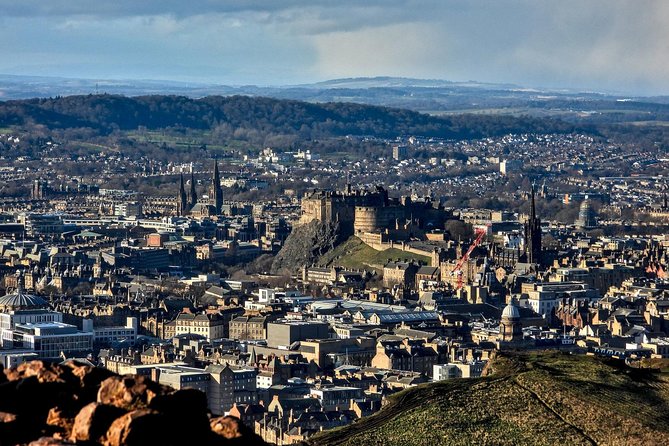
You then reach the Writers’ Museum, set in one of the city’s oldest standing buildings. This is where the tour takes a literary turn, focusing on famous Scottish writers and the way their work connects to the wider culture.
I like this stop because it broadens the idea of history. It’s not only wars and religious shifts; it’s also ideas—how people wrote, argued, and expressed identity. If you’re even slightly interested in literature, you’ll likely enjoy the chance to connect real writers to the streets where their stories feel rooted.
The stop is short (around 10 minutes) and ticket-free as part of the experience, so it doesn’t slow the tour down. It’s more like a spark than a full museum visit. If you later decide you want to spend more time inside, you’ll at least know what to look for.
The city’s imposing building: why it matters
After the Writers’ Museum moment, you’ll pause for a major, highly visible building described as the city’s most imposing. The guide explains its origins and importance, using it as a turning point in the story as you transition from the Royal Mile area toward the Grassmarket and Greyfriars side of Old Town.
Even without sitting for long, the explanation helps you understand why this building dominates the view and the imagination of Edinburgh. It’s the kind of stop that turns “I see that big thing” into “I get why it’s a big deal.”
This is also where the tour’s walking rhythm shifts. Earlier stops are more about establishing context. This one helps you zoom out—showing how Old Town’s power centers and defenses shaped what you’re seeing around you.
Grassmarket: gallows history and the Covenanters memorial
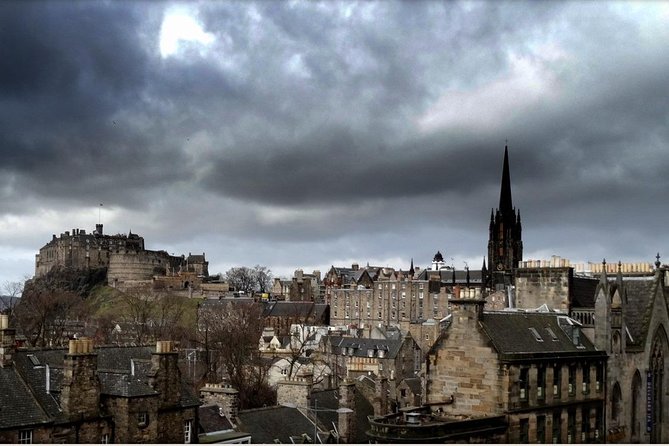
Next comes Grassmarket, a place that carries some of Edinburgh’s heavier stories. The guide talks about the area as a former gallows site and introduces some of the characters who met their fate there.
You also hear about the Covenanters, a thread that runs through later parts of the tour as well. The stop includes time to visit the Memorial, which makes the story feel grounded rather than purely dramatic.
What’s practical here is tone control. The tour is built to handle darker historical material without turning into shock tactics. You’re getting context: beliefs, conflict, and why people were targeted. If you’re traveling with kids or you’re trying to keep things “age-manageable,” this part tends to work better than a purely grim history lecture because it’s tied to a specific location and guided pacing.
The stop is about 10 minutes and ticket-free, so it flows without turning into a long detour.
Greyfriars: prison gates, body-snatching context, and Greyfriars Bobby
The final stretch leads to Greyfriars, where you visit the gates of the Covenanters Prison. The guide explains one of the more complicated periods of the city’s history, then connects it to a surprising topic: body-snatching activity in Edinburgh and how it influenced the study of anatomy.
If you think of Edinburgh as only castles and cemeteries, this is the part that adds the uncomfortable, real-world context. It’s history that links science, legality, and desperation in a way that helps you understand why some stories survive and become folklore.
And then you get the heart-warming note—your guide shares the story of Greyfriars Bobby. This balance is part of what makes the tour feel like a complete arc. You move from conflict into character, from prison gates into a human-scale legend that visitors remember.
The Greyfriars stop is longer than the earlier ones—about 30 minutes—and that extra time helps the story land. It also pairs nicely with the tour ending at Greyfriars Kirkyard Cemetery, so you can keep looking at what you just learned.
Guides who tell Old Town like a story: pacing and personality
The tour’s standout factor is the guide style. Names like Edgar, James, Robert, and David show up in strong feedback, and the common theme is how well the guide brings the city alive.
You’ll often feel this as:
- clear explanations that connect streets to events
- entertaining anecdotes that keep the walk from turning into a lecture
- pacing that works for small groups
- room for questions when the group is smaller
That last point matters more than it sounds. With a maximum of 30 people, you’re not stuck in a giant pack. And on smaller days, the tour can run with very few participants, which makes it easier to ask follow-ups without feeling like you’re slowing the entire group down.
If you’re the type who likes to learn quickly and then wander on your own, this guide-led structure is a smart way to get your bearings without needing to build a detailed plan.
Price and value: why about $20.72 can work in your favor
At $20.72 per person for about two hours, this tour sits in the “good value” zone for an Old Town walking experience. You’re paying for a live guide, a guided route, and context that you likely wouldn’t piece together on your own unless you planned heavily.
Here’s why it’s a good deal in practical terms:
- Multiple major Old Town highlights are covered in one loop
- Stops are ticket-free, including St Giles’ Cathedral
- You get a guide to translate what you’re seeing while you’re walking past it
- The end point near Greyfriars can help you keep exploring without re-navigating the city
Could you do this on your own? Sure. But you’d spend more time sorting out what to prioritize, and you’d miss the connective tissue that turns random landmarks into a storyline.
The only time this might not be the best value is if you prefer ultra-deep museum time. This is more of a guided street story than a full-day museum plan. If you want rooms, artifacts, and long interior visits, you’ll likely pair this with one or two targeted museum stops later.
Best for first-timers, story lovers, and time-crunched days
This works best if you:
- want an easy first pass through Old Town Edinburgh
- like history told through people and events
- want to see several top landmarks without spending all day planning
- enjoy a walking tour that ends in a great place to continue on your own
It can also be a nice option for families, since the guide style is described as patient and engaging when kids are part of the group. Just remember it’s still a walking tour, so comfortable shoes matter.
If you already know Edinburgh’s timeline and you’re craving more specialized detail, you might prefer a longer, more niche-focused tour. But for a well-structured “get your bearings” day, this one is a strong match.
Should you book Old Town Stories?
I’d book it if you want the simplest way to understand why Edinburgh Old Town feels the way it does. You’ll get St Giles’ Cathedral, a Mercat Cross connection to the Great Fire, a Royal Mile walk that sorts out what you’re seeing, a literary stop at the Writers’ Museum, and then you land on the emotionally loaded Greyfriars story with Greyfriars Bobby as a bright finish.
If you’re tight on time, this tour is a smart use of it: short, guided, and centered on major places that most first-timers want anyway. Just go in ready to walk and you’ll likely come away with stories that make the city easier to navigate.
FAQ
How long is the Old Town Stories tour?
It runs for about 2 hours.
Where does the tour start and where does it end?
It starts at West Parliament Square (W Parliament Sq, Parliament Sqr, Edinburgh EH1 1RF) and ends at Greyfriars Kirkyard Cemetery (Greyfriars Place, Edinburgh EH1 2QQ).
What language is the tour offered in?
The tour is offered in English.
Is there a maximum group size?
Yes, the tour has a maximum of 30 travelers.
Do I need to buy tickets for the stops?
The listed stops are marked as admission ticket free, including St Giles’ Cathedral.
Is the tour good for people using public transportation?
Yes. The meeting point is near public transportation.
What happens if the weather is poor?
This experience requires good weather. If it’s canceled due to poor weather, you’ll be offered a different date or a full refund.
More Tour Reviews in Edinburgh
- Edinburgh: Loch Ness, Glencoe & the Scottish Highlands Tour★ 4.6 · 17,446 reviews
- Edinburgh: Harry Potter Magical Guided Walking Tour★ 4.8 · 11,944 reviews
- Edinburgh: Underground Vaults Tour★ 4.6 · 11,758 reviews
- Edinburgh Castle: Guided Walking Tour with Entry Ticket★ 4.7 · 11,699 reviews
- From Edinburgh: Loch Ness, Glencoe & Scottish Highlands Tour★ 4.7 · 11,381 reviews
Still Wandering the Old Town
- Underground Vaults Walking Tour in Edinburgh Old Town★ 4.5 · 8,506 reviews
- Edinburgh: Old Town History and Tales Walking Tour★ 4.8 · 2,361 reviews
- Old Town Walking Tour History and Tales in Edinburgh★ 5.0 · 2,168 reviews
- Edinburgh: Old Town and Underground Historical Tour★ 4.5 · 1,802 reviews
- Edinburgh: Old Town and Underground Ghost Tour★ 4.4 · 1,768 reviews
Fresh off the cobbles: newer Edinburgh tours we have written up






Edinburgh Old Town Walks, compared.
 ★ 4.5Underground Vaults Walking Tour in Edinburgh Old TownFrom $338,506 reviews
 ★ 4.8Old Town History and Tales Walking TourFrom $242,361 reviews
 ★ 5.0Old Town Walking Tour History and Tales in EdinburghFrom $242,168 reviews
 ★ 4.5Old Town and Underground Historical TourFrom $271,802 reviews
 ★ 4.4Old Town and Underground Ghost TourFrom $221,768 reviews
 ★ 4.6Dark Secrets of the Old Town Ghost Walking TourFrom $241,671 reviews
 ★ 5.0Royal Mile and Old Town Walking TourFrom $481,596 reviews
 ★ 5.0Old Town Historical and Underground TourFrom $271,574 reviews
Browse the lists this tour appears in