
Reviewed · GUIDED
Edinburgh: Nuclear Bunker Guided Tour
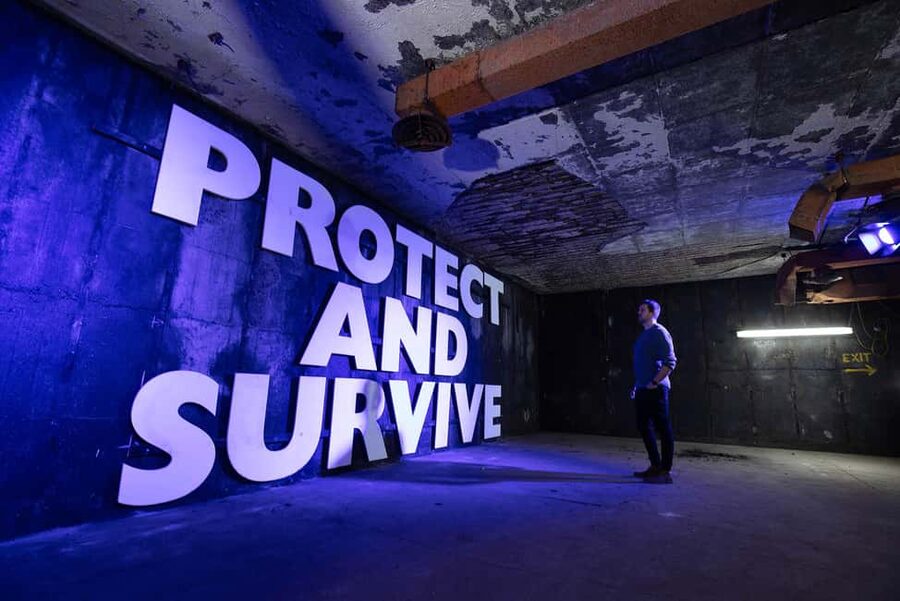
Cold War fear can feel like a movie plot. This tour makes it real, underground, and close to Edinburgh. What I like most is the way you move through a Cold War installation that blends restored rooms with areas left raw. One thing to consider: some spaces can feel a bit bare, so if you want heavy staging and dramatic sets, you may wish for more visual storytelling.
I also like the mix of tech and human stakes. You’ll learn how the ROTOR radar system fed a defense setup, and you’ll stand where RAF crews watched for Soviet bombers. Another big plus is the government angle—this wasn’t just a bunker for hardware, but a place for leadership to keep running after a worst-case attack.
My main caution is simple: the site is cold and you’ll be moving through a bunker environment that isn’t designed for everyone. If you’re sensitive to cold, or if mobility is a concern, you’ll want to plan carefully.
In This Review
- Key points before you go
- Barnton Quarry Bunker: A Cold War Facility Minutes From Edinburgh
- Price for a One-Hour Tour and What You Really Get
- Meet at the Quarry Gates and Plan Your 1-Hour Visit
- Entering the Underground: The Descent Into the R4-Class “Underground City”
- ROTOR Radar and RAF Bomber Tracking: Watching the Sky From Below
- Scotland’s Regional Seat of Government: Leadership, Planning, and Life Under Threat
- The BBC Studio and the Four-Minute Warning: Communication as Survival
- Restored vs Raw Spaces: Conservation Work and the Reality of Abandoned Places
- Who This Tour Suits Best (and Who Should Skip)
- Practical value: Why this one-hour format works
- Should You Book the Edinburgh Nuclear Bunker Guided Tour?
- FAQ
- Where is the meeting point for the tour?
- How long is the Edinburgh nuclear bunker guided tour?
- What days and times do tours run?
- Is the tour guided and in English?
- What price should I expect to pay?
- What should I bring?
- Is this tour suitable for young children?
- Is it wheelchair accessible or suitable for mobility impairments?
- What sites and features will I see during the tour?
- FAQ
- Can I cancel and get a refund?
- Is there a reserve and pay later option?
- Are the tours only on weekends?
- What will the guide focus on?
- Does the tour include access to both restored and raw areas?
Key points before you go
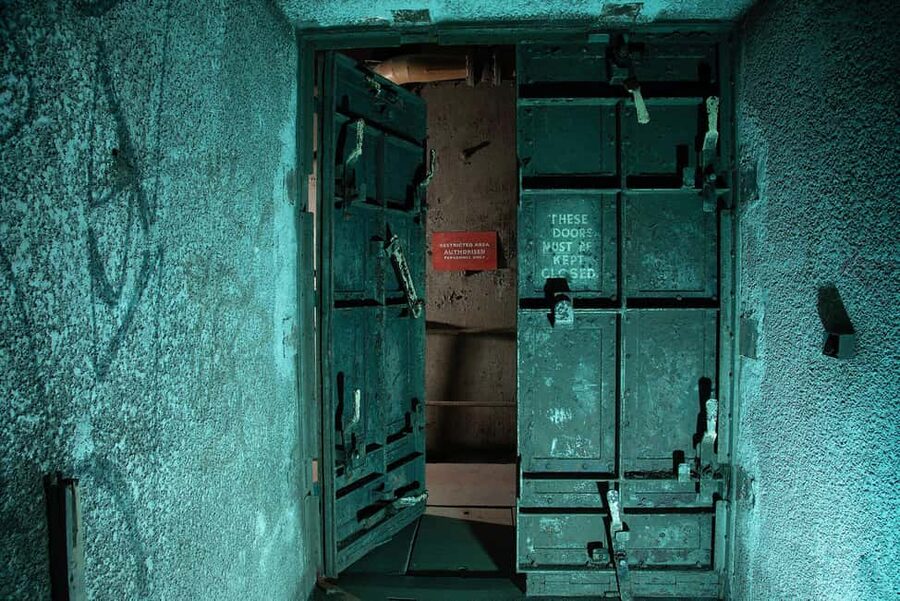
- R4-class, three-story bunker experience near Edinburgh, built in the early 1950s
- ROTOR radar defense context, with RAF crews tracking Soviet bombers during the Cold War
- Scotland’s Regional Seat of Government story, including what leaders could do after nuclear war
- BBC four-minute warning studio stop, tied to the national broadcast plan
- A blend of restored and raw spaces, which can mean fewer props in some rooms
- Bring a jumper; the bunker is cold even in summer
A handful of other Edinburgh outings that caught our eye
- Edinburgh: Harry Potter Magical Guided Walking Tour★ 4.8 · 11,944 reviews
- Edinburgh Castle: Guided Walking Tour with Entry Ticket★ 4.7 · 11,699 reviews
- Edinburgh: Edinburgh Castle Guided History Tour with Tickets★ 4.8 · 9,933 reviews
- Edinburgh Castle: Guided Walking Tour with Entry Ticket★ 5.0 · 5,540 reviews
Barnton Quarry Bunker: A Cold War Facility Minutes From Edinburgh
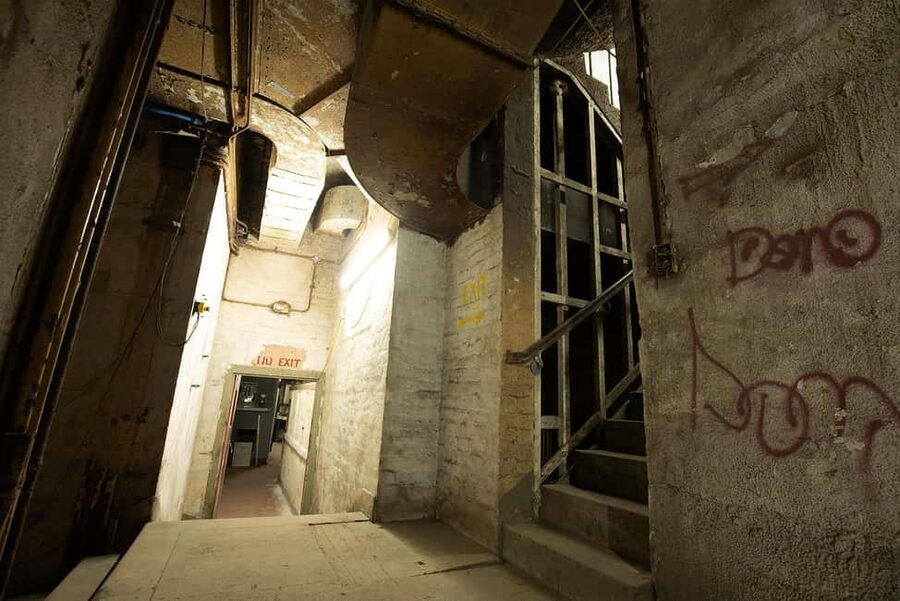
This is one of those experiences that changes the way you picture the Cold War. Instead of learning about it from a book, you’re in a place built to protect decision-makers and technical crews. The Barnton Quarry Nuclear Bunker sits just minutes from Edinburgh’s city centre, so it feels practical, not like an all-day detour.
The heart of the tour is the size and shape of the facility. It’s a vast three-story R4-class installation, designed to keep the government running after a nuclear attack. That idea alone lands differently when you’re physically walking through the kind of underground spaces where time, light, and movement are controlled.
And the theme stays consistent: secrecy, fear, and planning. You’ll hear how this site moved from a top-secret radar defense role into a Regional Seat of Government for Scotland—a switch that shows how the UK prepared for multiple layers of crisis.
Price for a One-Hour Tour and What You Really Get
At $33 per person for a 1-hour guided tour, the price is less about checking a box and more about getting a focused interpretation. You’re not just seeing corridors; you’re getting guided context for what you’re standing in front of.
For me, the best value pieces are the stops you can’t recreate elsewhere: the RAF tracking areas, the government seat function, and the BBC four-minute warning studio. Those aren’t generic “bunker facts.” They’re specific to how the system was supposed to work if everything went wrong.
Yes, it’s short—only one hour. But the site is underground, and the tour moves through multiple key areas in that time. If you like compact, information-heavy visits with clear narrative, this format fits.
Meet at the Quarry Gates and Plan Your 1-Hour Visit
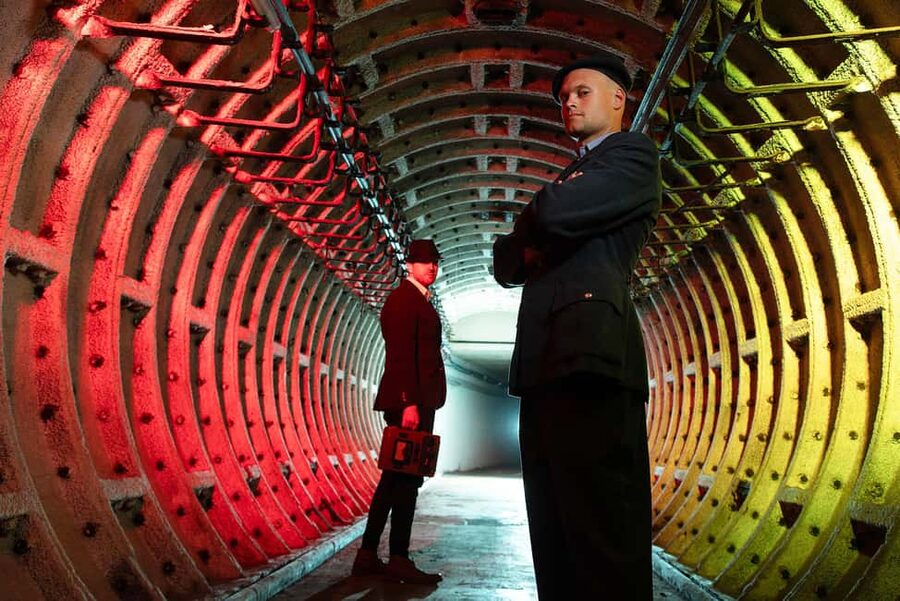
You meet your guide at the main gates to the Quarry. There’s a public car park right as you leave the main road, which keeps logistics pretty simple if you’re driving.
The tour schedule runs on Saturdays and Sundays at 10:30am, 12pm, 2pm, and 3:30pm. Because it’s only weekends, I’d plan around those slots early if your trip dates are fixed.
The tour is in English with a live guide. That matters here because the bunker concept can get abstract fast. A guide helps connect the tech, the planning, and the human role of people who were trained to function under extreme pressure.
One practical tip: wear layers. The tour notes are clear that the bunker is cold, and you’ll want a jumper even in summer.
Entering the Underground: The Descent Into the R4-Class “Underground City”
The experience starts the moment you descend. The bunker is designed to feel like a self-contained world, which is exactly why it’s so effective as a teaching space. You’re moving into a place that was meant to keep going even when the surface situation became unlivable.
The tour frames the bunker as a former abandoned facility that later became a government survival setup. That’s a dramatic shift—early 1950s construction tied to the UK’s top-secret ROTOR radar defense system, then later conversion into Scotland’s government seat.
You’ll see both restored and raw spaces. That contrast is important. Restored rooms show what the team has chosen to bring back and explain. Raw sections show what neglect leaves behind, which helps you remember this wasn’t a film set—it was built to solve a real problem under real fear.
If you’re expecting a theme-park-style visit, set your expectations differently. This place leans more toward atmosphere and interpretation than heavy theatrics, so you’ll get more out of it if you enjoy thinking through how people would have moved and worked underground.


ROTOR Radar and RAF Bomber Tracking: Watching the Sky From Below
One of the tour’s strongest threads is the connection between radar technology and the people who used it. ROTOR was the defense system built to detect incoming threats, and the bunker was part of the infrastructure that supported national response.
You’ll learn how young RAF crews tracked Soviet bombers during the Cold War. Standing where those operations are described makes the concept feel less like a lecture and more like a workflow.
Even if you’re not a “tech person,” the story matters because it’s about timing and readiness. Radar wasn’t just about detecting something; it was about giving decision-makers time. In a Cold War mindset, minutes could be the difference between confusion and action.
And that’s why this stop is more than trivia. It’s a window into the daily discipline behind the headlines: crews training to recognize patterns, then passing information into a defense chain that had to function under pressure.
Scotland’s Regional Seat of Government: Leadership, Planning, and Life Under Threat
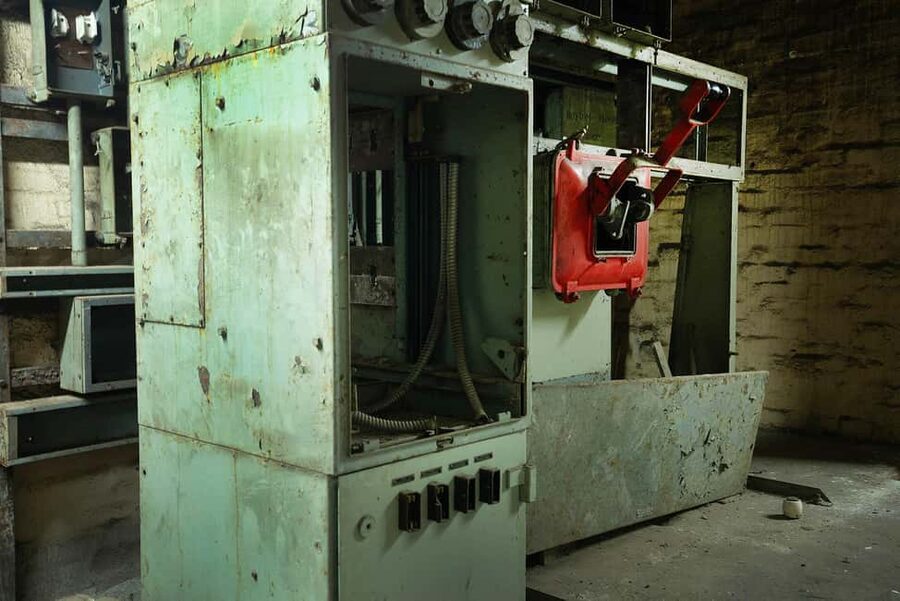
This bunker isn’t only about radar or military operations. Later, it became Scotland’s Regional Seat of Government, where officials, civil servants, and members of the Royal Family could be rushed if nuclear war happened.
That setup is chilling in a practical way. It’s one thing to imagine a bunker as a physical shelter. It’s another to imagine it as a workplace: the place where governance continues when everything else breaks down.
On the tour, you’ll hear about the idea of governing “from the ashes.” Even without getting sensational, the concept forces you to ask real questions: Who makes decisions? How do they communicate? How long can systems operate? The bunker’s design answers those questions with its sheer size and layered spaces.
I like how this part of the tour makes the story broader than one branch of the military. You get the sense that national defense wasn’t only aircraft and missiles. It also relied on administration, continuity, and people who could keep the machinery of the state running.
The BBC Studio and the Four-Minute Warning: Communication as Survival
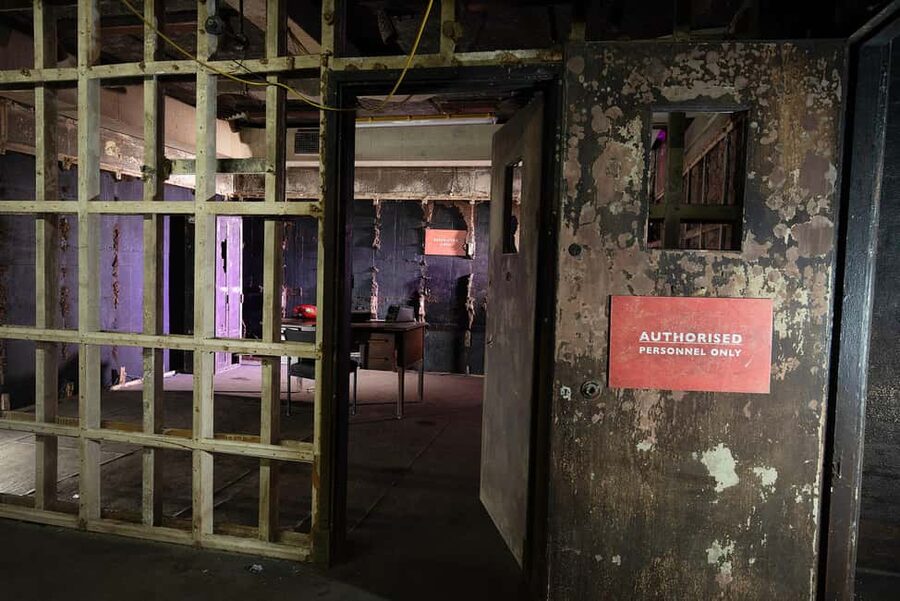
The tour’s final theme is communication—specifically, how the UK would warn the public if the unthinkable occurred. You’ll visit a BBC studio where the four-minute warning would be broadcast.
This stop is memorable because it connects underground defense planning to what millions of people might hear above ground. It turns the bunker from a “closed world” into part of a larger national system.
Four minutes is such a small window, which makes the plan feel both precise and terrifying. The tour helps you understand the warning as a tool for coordinated action, not just a message. It was meant to give people a brief, shared moment to respond.
If you’re interested in media history, civil defense, or how governments communicate under crisis, this is the most emotionally direct part of the tour. It’s also a strong “anchor” point for the whole visit: radar detection leads to decision-making, decision-making connects to public messaging.
Restored vs Raw Spaces: Conservation Work and the Reality of Abandoned Places
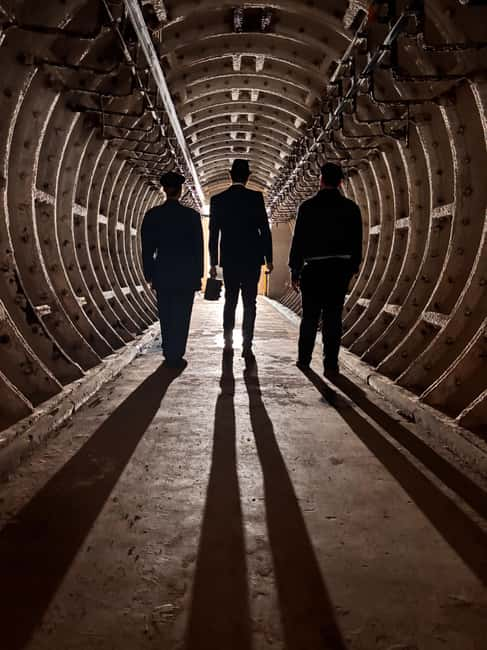
One of the big standouts in the experience is the conservation work. The restored spaces are handled with care, and it shows. You can see where interpretation has been added to help you understand what you’re looking at.
At the same time, not every corner is fully staged. Some rooms may feel empty, and you might notice that the emphasis is on what the space is, rather than adding props everywhere.
That’s not a flaw so much as a design choice. A bunker that was abandoned and later reopened can’t be fully transformed into something glossy. The raw areas keep the atmosphere honest. They also make you use your imagination more than you would in a heavily themed attraction.
If you love history that’s slightly rough around the edges, that balance works. If you want a lot of theatrical set dressing, this is where you may feel less satisfied than you hoped.
Who This Tour Suits Best (and Who Should Skip)
This isn’t a casual stop. It’s a guided tour through a functioning Cold War environment, and that shapes who will enjoy it most.
You’ll likely get the best match if you:
- like Cold War UK history and practical government planning
- enjoy technical stories, especially radar and defense systems
- want a short, focused experience without a full museum day
It’s not suitable for children under 8 years. It’s also not suitable for people with mobility impairments or wheelchair users. Since the tour is underground and the notes flag accessibility limitations, don’t assume it will be comfortable or easy to navigate.
And remember the temperature. Bring a jumper, even if Edinburgh feels warm outside.
Practical value: Why this one-hour format works
A one-hour tour can be a sweet spot for history sites like this. You get the main storyline—ROTOR radar, RAF bomber tracking, Scotland’s seat of government, and the BBC four-minute warning—without the fatigue that can come from long, wandering museum visits.
Also, guided tours matter more in a bunker than in an open-air attraction. Underground spaces can look similar. A good guide helps you keep track of what each area did and why it mattered.
The experience is also built for weekends with set start times. If you can fit one of the Saturday or Sunday slots, you’ll avoid the hassle of trying to coordinate with flexible schedules.
Finally, because the ticket is modest for a guided, high-specificity site, you can justify it as a focused “history hour” alongside other Edinburgh plans.
Should You Book the Edinburgh Nuclear Bunker Guided Tour?
If you want a Cold War experience that feels real and specific—ROTOR radar, RAF crews, Scotland’s government continuity, and the BBC four-minute warning studio—this is worth booking. The $33 price feels reasonable for a guided hour through a rare site that isn’t easy to replicate on your own.
I’d book if you enjoy learning through places, not just panels. The mix of restored and raw areas also gives you a grounded sense of how abandoned spaces can still teach.
Skip it if you need heavy staging and lots of visual set dressing in every room, or if cold and accessibility limits would make the visit uncomfortable. And if you’re traveling with younger kids, the under-8 restriction means you’ll need a different activity.
FAQ
Where is the meeting point for the tour?
You meet your guide at the main Gates to the Quarry, with a public car park just as you leave the main road.
How long is the Edinburgh nuclear bunker guided tour?
The tour lasts 1 hour.
What days and times do tours run?
Tours run on Saturdays and Sundays at 10:30am, 12pm, 2pm, and 3:30pm.
Is the tour guided and in English?
Yes. It’s a live tour guide and the tour is in English.
What price should I expect to pay?
The price listed is $33 per person.
What should I bring?
Bring a jumper. The bunker is cold even in the summer months.
Is this tour suitable for young children?
No. It is not suitable for children under 8 years.
Is it wheelchair accessible or suitable for mobility impairments?
No. It is not suitable for people with mobility impairments or wheelchair users.
What sites and features will I see during the tour?
You’ll explore the Cold War bunker, learn about Scotland’s role as a Regional Seat of Government, see where RAF crews tracked Soviet bombers, and visit a BBC studio related to the four-minute warning.
FAQ
Can I cancel and get a refund?
Free cancellation is available up to 24 hours in advance for a full refund.
Is there a reserve and pay later option?
Yes. You can reserve now and pay later.
Are the tours only on weekends?
Yes. Tours are scheduled for Saturdays and Sundays.
What will the guide focus on?
The guide covers the bunker’s role in the UK defense system, including ROTOR radar, RAF bomber tracking, Scotland’s government seat function, and the BBC four-minute warning studio.
Does the tour include access to both restored and raw areas?
Yes. You get access to both restored and raw spaces during the guided visit.
More Guided in Edinburgh
- Edinburgh: Harry Potter Magical Guided Walking Tour★ 4.8 · 11,944 reviews
- Edinburgh Castle: Guided Walking Tour with Entry Ticket★ 4.7 · 11,699 reviews
- Edinburgh: Edinburgh Castle Guided History Tour with Tickets★ 4.8 · 9,933 reviews
- Edinburgh Castle: Guided Walking Tour with Entry Ticket★ 5.0 · 5,540 reviews
- Edinburgh Castle Guided Walking Tour in English★ 5.0 · 5,214 reviews
More Tours in Edinburgh
- Edinburgh: Loch Ness, Glencoe & the Scottish Highlands Tour★ 4.6 · 17,446 reviews
- Edinburgh: Harry Potter Magical Guided Walking Tour★ 4.8 · 11,944 reviews
- Edinburgh: Underground Vaults Tour★ 4.6 · 11,758 reviews
- Edinburgh Castle: Guided Walking Tour with Entry Ticket★ 4.7 · 11,699 reviews
- From Edinburgh: Loch Ness, Glencoe & Scottish Highlands Tour★ 4.7 · 11,381 reviews
More Tour Reviews in Edinburgh
- Edinburgh: Loch Ness, Glencoe & the Scottish Highlands Tour★ 4.6 · 17,446 reviews
- Edinburgh: Harry Potter Magical Guided Walking Tour★ 4.8 · 11,944 reviews
- Edinburgh: Underground Vaults Tour★ 4.6 · 11,758 reviews
- Edinburgh Castle: Guided Walking Tour with Entry Ticket★ 4.7 · 11,699 reviews
- From Edinburgh: Loch Ness, Glencoe & Scottish Highlands Tour★ 4.7 · 11,381 reviews
Fresh off the cobbles: newer Edinburgh tours we have written up



Guided, compared.
 ★ 4.8Harry Potter Magical Guided Walking TourFrom $1911,944 reviews
 ★ 4.7Edinburgh Castle: Guided Walking Tour with Entry TicketFrom $4911,699 reviews
 ★ 4.8Edinburgh Castle Guided History Tour with TicketsFrom $499,933 reviews
★ 5.0Edinburgh Castle: Guided Walking Tour with Entry TicketFrom $515,540 reviews
 ★ 5.0Edinburgh Castle Guided Walking Tour in EnglishFrom $525,214 reviews
 ★ 5.0Original Harry Potter Locations Tour in Edinburgh : Guided TourFrom $194,236 reviews
 ★ 4.7Real Mary King’s Close Guided TourFrom $383,950 reviews
 ★ 4.9Edinburgh Castle: 120-Minute In-Depth Tour with Expert GuideFrom $492,969 reviews